

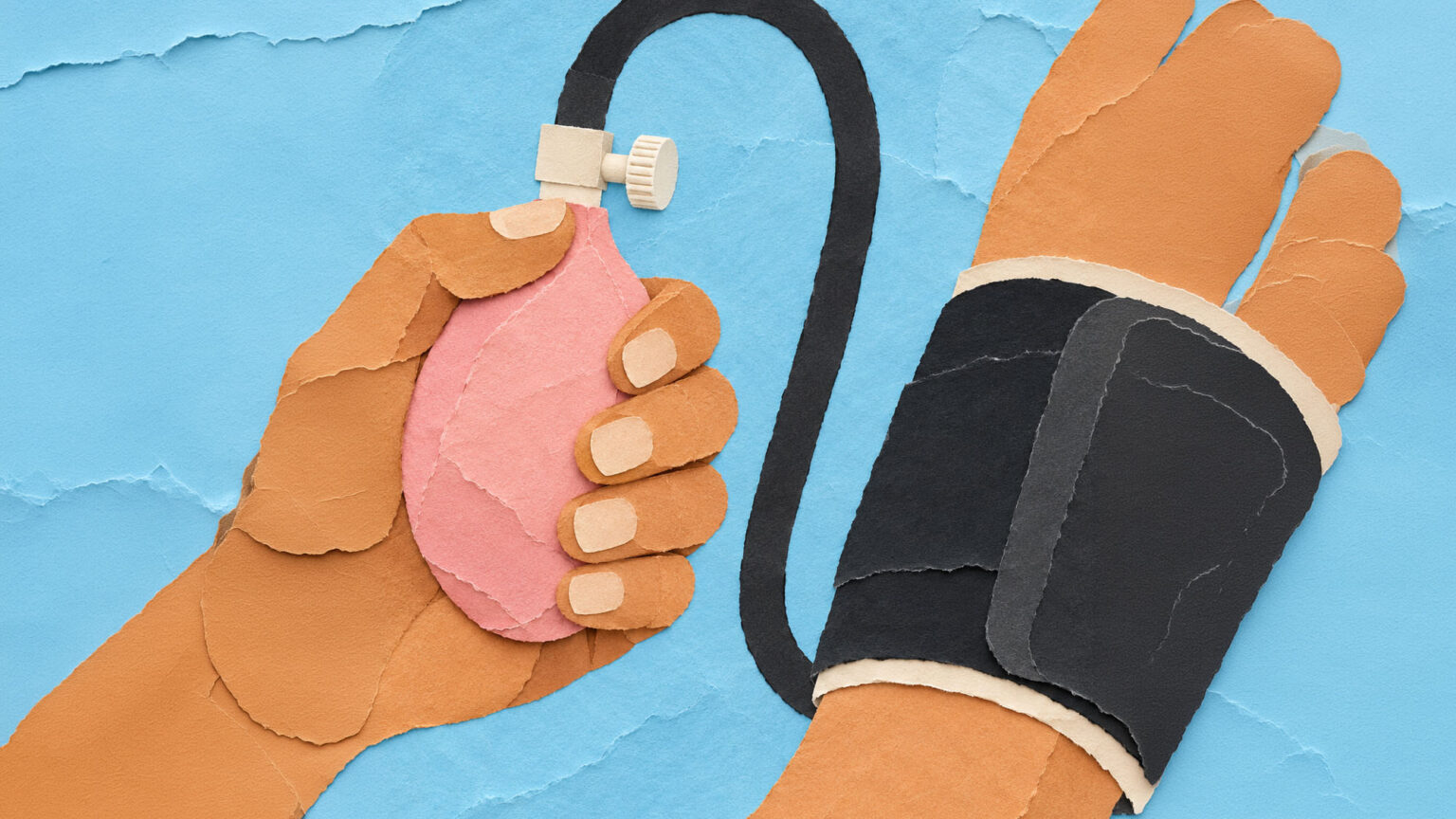

Great news for your heart, your brain and your kidneys.
Hot off the press! Australia’s blood pressure guidelines are getting their biggest makeover in a decade. Here’s why this could be great news for your heart, your brain and your kidneys.
As a GP, I love good preventative health news. And this is a big one!
Australia is preparing to update its national blood pressure guidelines for the first time since 2016. The Heart Foundation is leading the update, and the Royal Australian College of General Practitioners (RACGP) has been reviewing the proposed changes.
Why are we so pumped?
Because we now know much more about how blood pressure affects our health, how to measure it properly and, importantly, how to prevent the damage it can cause.
And the really good news? We may be able to intervene earlier, treat more effectively and help more Australians stay healthier for longer.
Seven million Australians. That’s a lot of blood pressure!
More than seven million Australian adults are estimated to have high blood pressure.
That’s a huge number of hearts, brains and kidneys that deserve a little extra attention!
High blood pressure, also called hypertension, is one of the biggest contributors to heart attacks, strokes, kidney disease and vascular dementia.
The tricky part? Most people with high blood pressure feel absolutely fine.
No headache. No dizziness. No warning lights flashing on the dashboard.
You can be walking around feeling terrific while your blood pressure is quietly putting extra strain on your blood vessels.
That’s why we GPs are so keen on checking it, even when you feel perfectly well.
So, what’s changing?
The proposed guidelines include some important developments.
1. Earlier action, before damage is done
Traditionally, we’ve used particular blood pressure numbers to help decide when treatment is needed.
The proposed guidelines recognise that cardiovascular risk can begin increasing well before blood pressure becomes severely elevated.
This may mean earlier treatment for some people, particularly those with other risk factors such as diabetes, kidney disease or established cardiovascular disease.
But it doesn’t mean everyone with a slightly elevated reading needs medication!
Your GP will consider your overall risk, age, medical history and personal circumstances.
2. Getting blood pressure under control sooner
For people who need medication, the proposed guidelines support using combinations of medicines earlier and adjusting treatment more promptly.
Why?
Because getting blood pressure into a healthier range sooner may reduce the time that your heart, brain and kidneys are exposed to unnecessary strain.
And sometimes two medicines at lower doses work better than pushing one medicine to a higher dose.
3. Looking for hidden causes
One interesting proposed change is more routine testing for a hormonal condition called primary aldosteronism.
It’s a mouthful, I know!
Essentially, some people produce too much of a hormone that makes the body retain salt and raises blood pressure.
Identifying this condition matters because it can sometimes be treated more specifically, rather than simply adding more blood pressure tablets.
4. More attention to the whole person
This is something we GPs particularly welcome.
Blood pressure isn’t just a number on a machine.
It’s part of a bigger picture involving your cholesterol, blood sugar, kidneys, smoking history, physical activity, family history and overall cardiovascular risk.
The proposed guidelines also place greater emphasis on lifestyle changes and improving care for people who experience barriers to healthcare.
The aim is better prevention, not simply more prescriptions.
Five things you can do right now
You don’t need to wait for the new guidelines to start looking after your blood pressure.
Here are my five favourites.
1. Know your numbers. Ask your GP to check your blood pressure. If it’s elevated, you may benefit from home monitoring or a 24-hour blood pressure monitor. One reading doesn’t always tell the whole story.
2. Get moving. Walking, cycling, swimming, dancing or gardening all count. Aim towards 150 minutes of moderate activity each week. Your blood vessels love movement!
3. Give the salt shaker a holiday. Much of our salt comes from packaged, ultra-processed and takeaway foods, not the salt we sprinkle ourselves. Check labels and choose less processed foods where possible.
4. Look after your waistline, sleep and alcohol intake. Small, sustainable changes can make a meaningful difference. You don’t need to overhaul your entire life by Monday morning.
5. Have a proper heart health conversation with your GP. Ask about your cholesterol, blood sugar, kidney function and overall cardiovascular risk.
You may be eligible for a Medicare-funded Heart Health Check, particularly if you’re:
- Aged 45–79 years.
- Aged 35–79 years and living with diabetes.
- Aboriginal or Torres Strait Islander and aged 30–79 years.
Other adults may also qualify under Medicare’s current criteria. Your GP can check your eligibility, including whether you’ve had a recent health assessment.
A Heart Health Check takes at least 20 minutes and helps identify your risk of a heart attack or stroke, with a practical plan to reduce that risk.
Medicare provides a rebate, and the check is free at practices that bulk bill this service. Otherwise, there may be an out-of-pocket cost, so ask when booking.
Find out more about Heart Health Checks at the Heart Foundation.
What happens next?
The updated Australian guidelines are being finalised, with publication anticipated in late 2026 or 2027.
The RACGP is helping ensure they are practical, evidence-based and appropriate for everyday general practice, including avoiding unnecessary treatment.
If you’re already taking blood pressure medication, keep taking it as prescribed. Don’t change anything based on headlines. Your GP can review your treatment when appropriate.
And if you haven’t had your blood pressure checked recently, here’s your friendly nudge!
The LifeVest take-home message
As GPs, we’re excited because better blood pressure management isn’t really about chasing numbers.
It’s about preventing the heart attack that never happens, the stroke that never occurs and protecting your brain and kidneys for the years ahead.
That’s the kind of health news worth getting excited about!
Your heart works hard for you every single day. Give it a little love, and book a blood pressure check with your GP.
Useful Australian resources
- Heart Foundation: Heart Health Checks – Find out what happens during a check and how to access one.
- Heart Foundation: Keeping your heart healthy – Practical everyday advice.
- Australian cardiovascular risk calculator – Learn how cardiovascular risk is assessed.
- National Hypertension Taskforce: New guideline update – Follow the progress of Australia’s new blood pressure guidelines.
- RACGP – Australian general practice guidance and preventive health resources.
Disclaimer
The information shared by LifeVest Pty Ltd is for general education and information only and is not medical advice. Please speak with your GP, specialist, or healthcare professional for advice about your own health and circumstances. We aim to keep our content accurate and up to date, however medical information and guidelines can change over time. External links are provided for convenience only and do not imply endorsement. LifeVest Pty Ltd is not responsible for any loss or harm resulting from reliance on information shared through our website, social media, or other communications.