
Many people think about bone health only after someone breaks a hip.
But bone loss actually starts much earlier than most people realise — often from our 40s onwards, particularly around menopause and ageing.
The encouraging news?
There is a lot we can do to help protect our bones long before fractures happen.
Most Doctors recommend exercise as one of the most important evidence-based strategies for preventing bone loss and reducing fracture risk.
And no, this does not mean you suddenly need to start running marathons or flipping tractor tyres at bootcamp.
Bones are living tissue. They respond to how we use our bodies.
When muscles pull against bones during movement and strength work, the body receives signals to maintain and strengthen bone density over time.
As a GP, I often see people become less active as they age because they are worried about injury, pain, arthritis, or osteoporosis. Unfortunately, doing less movement can accelerate the very problems people are trying to avoid.
One patient I saw in her late 50s had stopped exercising completely after being told she had “thin bones.” She became frightened of falling, avoided activity, lost muscle strength, and her confidence dropped significantly.
What helped was not wrapping her in cotton wool.
It was rebuilding trust in her body again.
We started with:
- walking
- light resistance exercises
- balance training
- gentle strengthening
- improving protein intake
- getting outdoors more consistently
Slowly, her strength, confidence, posture, and energy improved.
The Australian experts in bone health recommend a combination of:
💪 strength or resistance training
🚶 weight-bearing exercise
🧘 balance exercises
🏃 regular physical activity most days of the week
This can include:
- walking hills
- dancing
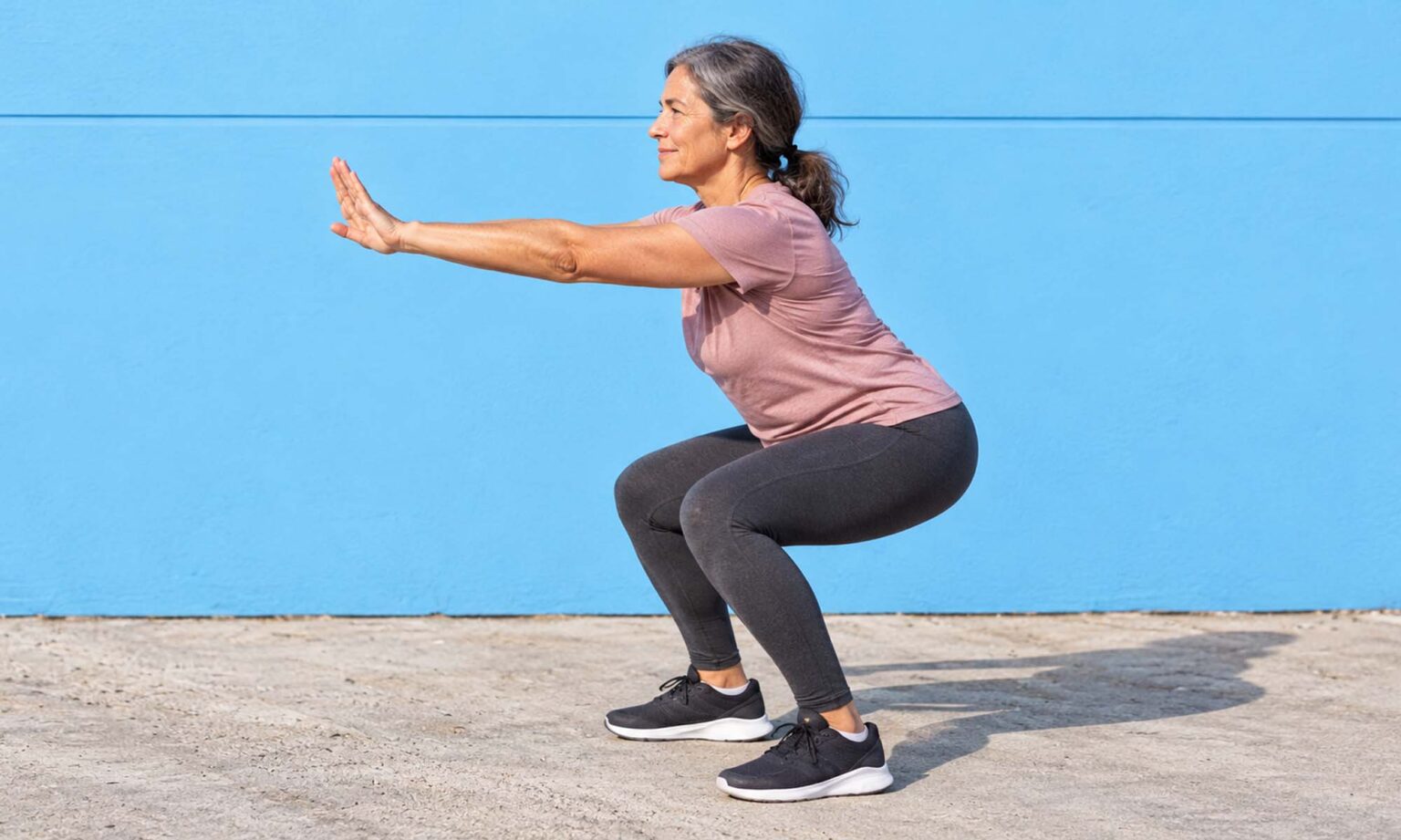
- strength training
- stair climbing
- tennis
- resistance bands
- gardening
- Tai Chi
- Pilates
And importantly: it is never too late to start.
Exercise also improves:
- balance
- muscle strength
- mobility
- mental health
- independence
- falls prevention
- confidence as we age
Bone health is not about chasing perfection or fearing ageing.
It is about building a stronger future body — one small habit at a time.
Your bones want movement.
Your muscles want challenge.
And your future self will thank you for starting now.
LifeVest helps people build healthier futures through evidence-based preventative health education, practical strategies, and compassionate care for real life. Learn more at https://lifevest.com.au/
Disclaimer
The information shared by LifeVest Pty Ltd is for general education and information only and is not medical advice. Please speak with your GP, specialist, or healthcare professional for advice about your own health and circumstances. We aim to keep our content accurate and up to date, however medical information and guidelines can change over time. External links are provided for convenience only and do not imply endorsement. LifeVest Pty Ltd is not responsible for any loss or harm resulting from reliance on information shared through our website, social media, or other communications