

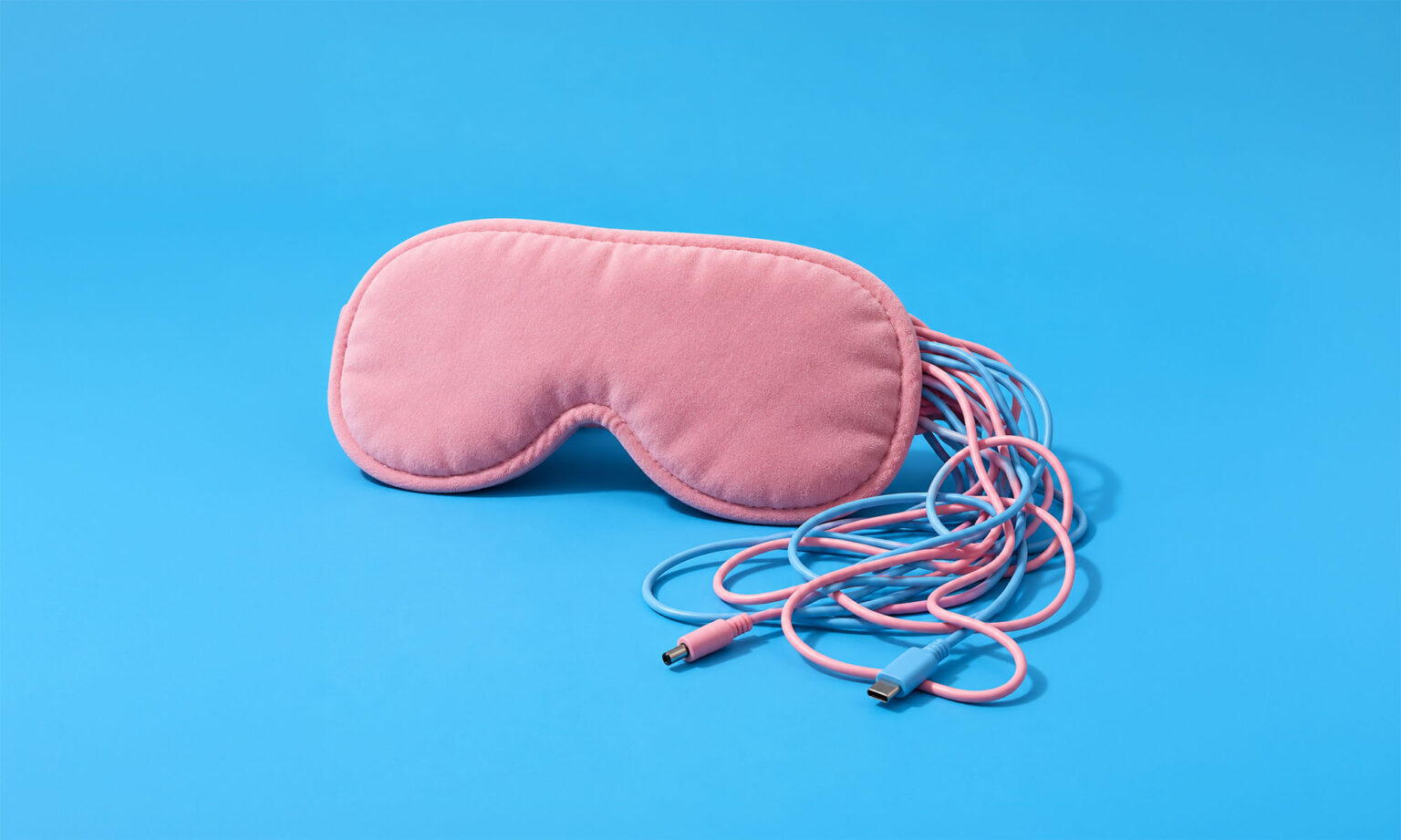

Modern life has created the perfect storm for poor sleep.
Stress.
Screens.
Shift work.
Perimenopause.
Parenting.
Work pressure.
Anxiety.
Alcohol.
Late-night scrolling while telling yourself “just one more reel.”
It’s no wonder so many people feel exhausted.
The problem is that once poor sleep becomes ongoing, many people start to panic about sleep itself. And ironically, the harder people try to force sleep… the harder it becomes.
I see this often as a GP.
One patient I looked after was a high-performing woman in her 40s juggling work, ageing parents, teenagers, and perimenopause symptoms. By the time she came in, sleep had become the centre of her life. She was watching the clock all night, monitoring her smart watch, googling sleep disorders at 3am, trying supplements, worrying constantly about how tired she would feel the next day.
The more pressure she placed on sleep, the more alert and anxious her brain became.
What she actually needed was not more “sleep effort.”
She needed reassurance, structure, nervous system calming, and evidence-based strategies.
The reassuring news is that insomnia is common — and there are effective non-medication approaches that genuinely help.
The best GP advice is usually to start with behavioural sleep therapies rather than immediately relying on sleeping tablets.
Why?
Because long-term sleep improvement comes from retraining the brain and body’s sleep systems — not simply sedating them.
One of the most effective approaches is:
CBT-I (Cognitive Behavioural Therapy for Insomnia)
This helps people:
calm the hyper-alert brain
reduce sleep anxiety
rebuild healthy sleep rhythms
change behaviours that accidentally worsen insomnia
Dr Shelby Harris — behavioural sleep specialist and author of The Women’s Guide to Overcoming Insomnia — explains beautifully how many people become trapped in a cycle of overthinking and catastrophising poor sleep.
And importantly, women are disproportionately affected by insomnia, particularly during hormonal shifts, caregiving years, stress, and midlife transitions.
The Better Health Channel Victoria also reinforces the importance of consistent sleep habits, light exposure, reducing stimulants late in the day, and creating calmer bedtime routines.
One excellent Australian evidence-based resource I often recommend is the free online insomnia program through THIS WAY UP:
https://thiswayup.org.au/programs/insomnia-program/
It gives people practical tools and structured strategies grounded in cognitive behavioural therapy.
The biggest mindset shift?
Your body is not broken because you are struggling with sleep.
Sleep is deeply connected to stress, mental health, hormones, burnout, chronic pain, alcohol, relationships, and the nervous system.
Sometimes the goal is not perfect sleep.
It is helping the brain feel safe enough to rest again.
And often, better sleep starts not with trying harder…
but with reducing the pressure we place on ourselves in the first place.