
As a GP, I spend a lot of time talking about breasts.
Lumps. Pain. Mammograms. Family history. “Dense breasts.” That slightly terrifying letter saying We would like you to come back for some more pictures.
And one question I hear regularly:
“What can I actually DO to reduce my risk of breast cancer?”
Quite a lot, as it turns out.
Breast cancer remains the most commonly diagnosed cancer in Australian women, with around 1 in 7 women developing it during their lifetime. But risk isn’t simply something handed to us by our genes. There are things we can change, things we can’t change, and increasingly, ways we can personalise screening according to our individual risk.
First: when should I have a mammogram?
For women at average risk, the RACGP recommends a screening mammogram every two years from age 50 to 74 through BreastScreen Australia.
BreastScreen Australia is free.
Women aged 40–49 can also book a free mammogram every two years, although they aren’t routinely invited. The balance between benefit and harms such as false alarms, extra investigations and overdiagnosis is less favourable in this younger age group.
Women aged 75 and over can also access BreastScreen, but routine mammographic screening after 74 isn’t currently recommended by the RACGP. This is a good individual discussion to have with your GP.
And under 40? Routine mammographic screening isn’t recommended for average-risk women. But that is very different from saying breast cancer doesn’t happen under 40. It does. Any new breast change at any age needs assessment.
Screening is NOT the same as investigating a lump
This is probably the most important part of this blog.
BreastScreen is for women WITHOUT breast symptoms.
If you’ve found a new lump, nipple discharge, nipple inversion, skin dimpling, persistent, unusual one-sided pain, a change in breast shape or an armpit lump, don’t simply book your routine BreastScreen appointment.
Book in to see your GP.
Your GP then may arrange diagnostic imaging, which can include mammography and ultrasound. Depending on the findings, a biopsy (with a needle and local anaesthetic) may also be required. Clinical examination, imaging and biopsy when indicated make up what we call the triple test.
Most breast lumps and changes aren’t cancer. But please don’t let Dr Google, your neighbour or the fact that your last mammogram was normal six months ago talk you out of getting a new change checked.
The big new conversation: breast density
Breasts contain fat, glandular tissue and connective tissue. Some women naturally have more glandular and fibrous tissue called dense breasts.
You cannot tell breast density by looking at or feeling your breasts. Large breasts can be dense. Small breasts can be dense. Perkiness is not a diagnostic test.
Breast density is commonly described using four BI-RADS categories, A to D, with categories C and D considered dense breasts.
Why does this matter?
Firstly, higher breast density is associated with an increased risk of breast cancer.
Secondly, dense breast tissue and cancers both appear white on mammograms, making some cancers harder to see a little like trying to find a snowball in a snowstorm.
BreastScreen Australia now recommends that women are informed in writing about their breast density as measured on their screening mammogram.
If you’re told you have dense breasts, don’t panic and don’t stop having mammograms. Mammography remains the standard population screening test.
Instead, discuss the result with your GP.
Breast density should be considered alongside your whole breast cancer risk including your age, family history, genetics, previous breast problems and other risk factors.
For women with dense breasts plus other risk factors, validated tools such as iPrevent can help estimate your individual breast cancer risk.
Try iPrevent here:
https://www.breastcancertrials.org.au/breast-cancer-resources/iprevent/
Complete it, save or print the results and take them along to your GP.
Do dense breasts mean I need an MRI? And who pays?
Not necessarily.
MRI is very sensitive and can find some cancers hidden by dense breast tissue, but it can also find things that turn out not to be cancer, resulting in extra imaging, biopsies, anxiety and cost.
And here’s an important practical point:
Having dense breasts alone does not currently mean Medicare will pay for a screening breast MRI.
There is currently no Medicare item for supplemental MRI simply because a screening mammogram shows dense breasts.
Medicare does fund breast MRI for certain women at high risk of breast cancer who meet specific criteria. For the main high-risk screening MRI item, this includes women under 60 with certain high-risk genetic or family histories, previous breast cancer before 50, previous mantle radiotherapy, or a sufficiently high calculated breast-cancer risk. The MRI also needs to be requested by an appropriate specialist.
So, if you’ve been told you have dense breasts, please don’t feel that you need to rush out and privately organise an MRI.
Start with your overall risk.
Use a validated tool such as iPrevent and discuss the result with your GP. If your overall risk is sufficiently high, your GP may refer you to a breast specialist or familial cancer service, where MRI eligibility and the most appropriate screening can be considered.
If you don’t meet Medicare criteria but you and your doctors decide additional imaging is worthwhile, you may have an out of pocket cost. Ask the imaging provider about the fee before booking, because charges vary between providers.
An ultrasound may sometimes attract a Medicare rebate when clinically indicated, for example, where mammography is inconclusive because of breast density, but again, that does not mean every woman with dense breasts needs an ultrasound.
Breast screening is becoming more personalised
This is also where Australian breast screening is heading.
The new Strategic Framework for the Future of BreastScreen Australia points towards investigating a more risk-based approach to screening.
In the future, factors such as breast density, family history, genetics and overall breast-cancer risk may increasingly help determine when screening starts, how frequently it occurs and whether different imaging is appropriate.
But this is the direction of future management, not a reason to change your current BreastScreen schedule yourself.
For now: keep turning up for your recommended mammograms, know your breast density when it is reported, know your family history and discuss your individual risk with your GP.
What if breast cancer runs in my family?
Please tell your GP about cancers on both sides of your family, Mum’s and Dad’s.
What particularly gets my attention is breast or ovarian cancer affecting several relatives, breast cancer at a young age, cancer affecting both breasts, male breast cancer, or a known cancer-predisposition gene such as BRCA1 or BRCA2.
These women may need screening that starts earlier, occurs more frequently or includes MRI, and some should be referred to a familial cancer service.
Your family history isn’t just interesting family trivia. It can change your healthcare.
So, what CAN I do to reduce my risk?
This is the part I particularly like. Prevention isn’t about frightening women. It’s about giving us useful things we can actually do.
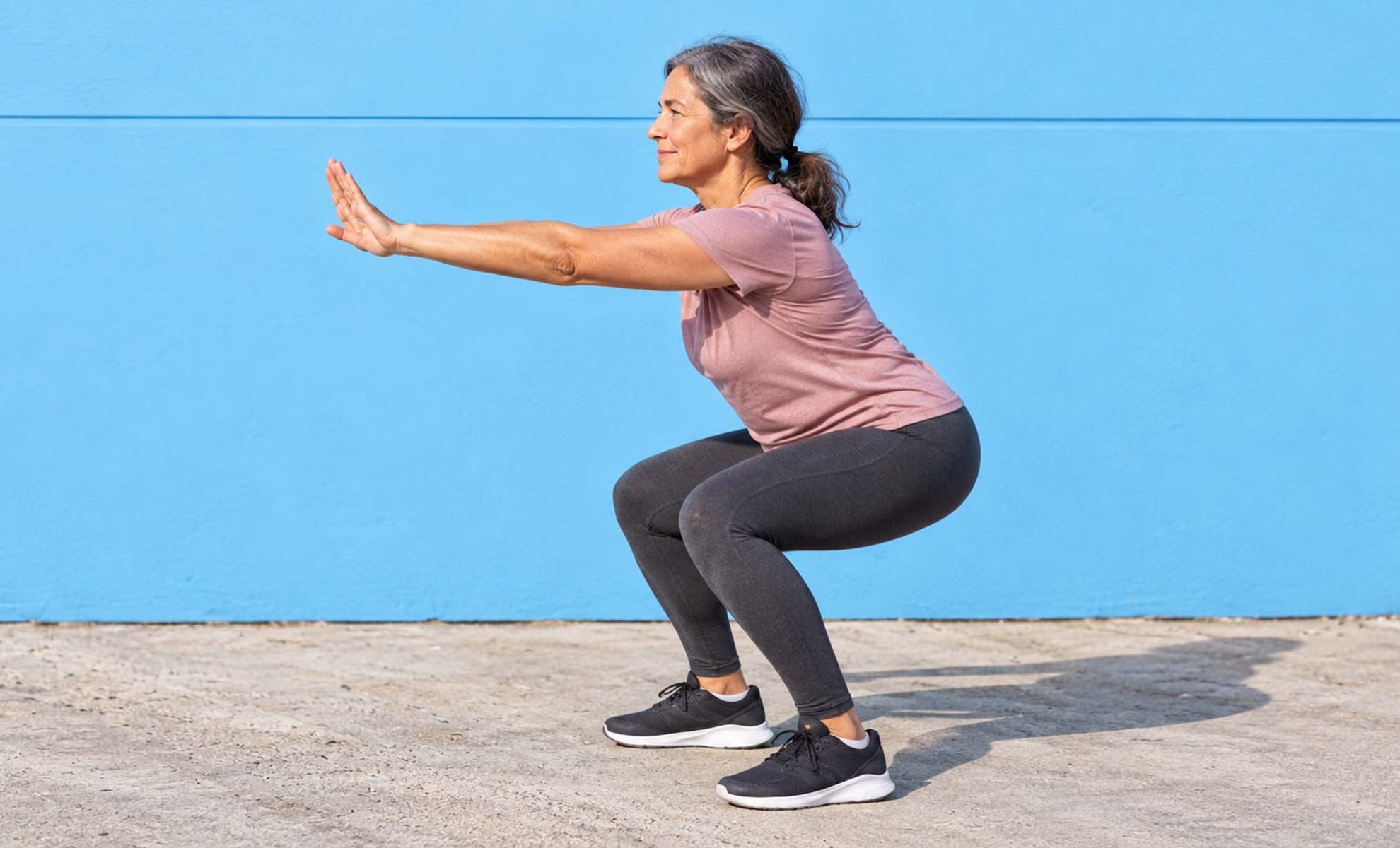
Move your body, it really does matter
There is good evidence that regular physical activity reduces breast-cancer risk.
Cancer Australia reports that women doing the highest amounts of physical activity have about a 13% lower risk of postmenopausal breast cancer compared with women doing the least.
And exercise doesn’t have to involve Lycra, a gym membership or becoming obsessed about Pilates.
Walking counts. Gardening counts. Cycling counts. Swimming counts. Dancing around the kitchen counts.
Find something you WILL keep doing.
Keep alcohol low
Alcohol increases breast-cancer risk, and risk increases as alcohol intake rises.
As a GP, I’m not interested in guilt or judgement, just making sure women know alcohol is a modifiable breast cancer risk factor.
Aim for a healthy weight, particularly after menopause
Being overweight or obese after menopause is associated with increased breast-cancer risk.
Again, this isn’t about appearance, dress size or blame.
It is about health.
Breastfeed if you can and want to
Breastfeeding is associated with reduced breast cancer risk. Not every woman can or wants to breastfeed, and this is only one small part of lifetime risk.
Don’t smoke
If you smoke, talk to your GP about getting help to stop. You certainly don’t have to tackle it alone.
Know your family history and know your breasts
Breast cancer in Mum matters but so does breast cancer in Dad’s family.
And you don’t need an elaborate monthly breast examination performed precisely on the third Tuesday under a full moon.
Simply become familiar with how your breasts normally look and feel and report a new or unusual change.
And remember, prevention is not blame
None of these things gives anyone a magic forcefield against breast cancer.
Developing breast cancer does not mean a woman has done something wrong.
Prevention is about reducing risk where we can — not assigning blame when we can’t.
My GP take-home message
If you’re 50–74 and average risk: put your two yearly BreastScreen in the diary.
If you’re 40–49: talk with your GP about whether starting screening now makes sense for you.
If you have dense breasts, significant family history or other risk factors: ask your GP to assess your individual risk.
Try iPrevent:
https://www.breastcancertrials.org.au/breast-cancer-resources/iprevent/
And if you find a new breast change at ANY age — don’t wait for your next screening mammogram. See your GP.
And no, you don’t need a special deodorant or supplement
While we’re clearing things up: there is no good evidence that deodorants or antiperspirants cause breast cancer, including those containing aluminium. And no, I’m not about to sell you a powder, potion, vitamin or expensive supplement to “detox” your breasts or prevent breast cancer. Cancer Australia notes that dietary supplements are not recommended for cancer prevention. The less glamorous things have much better evidence behind them: move your body, keep alcohol down, don’t smoke, look after your weight, know your family history and turn up for appropriate screening. No subscription required.
Usually, prevention is the small, sensible stuff we keep doing year after year.
At LifeVest, that’s exactly what we’re about — practical, evidence-based preventative healthcare that helps people understand their risks and take action before illness gets the upper hand.
Disclaimer
The information shared by LifeVest Pty Ltd is for general education and information only and is not medical advice. Please speak with your GP, specialist, or healthcare professional for advice about your own health and circumstances. We aim to keep our content accurate and up to date, however medical information and guidelines can change over time. External links are provided for convenience only and do not imply endorsement. LifeVest Pty Ltd is not responsible for any loss or harm resulting from reliance on information shared through our website, social media, or other communications.