
What every office worker should know about the health risks of sitting all day, plus 15 easy ways to move more without needing to find an extra hour in your day.
“Doc, I know I should exercise, but I just don’t have time.”
I hear this all the time in my consulting room. And I get it. Between work, commuting, family and everything else, who has an extra hour for the gym?
But here’s the good news.
You don’t need an hour. You just need to MOVE!
No Lycra, expensive gym membership or smartwatch congratulating you for standing up required.
Your chair is not your best friend
As a GP, I regularly see patients with rising blood pressure, increasing blood sugar, weight gain, back pain, poor sleep and declining muscle strength.
Too much sitting can contribute to these problems, and most of us do far more of it than we realise.
Here’s something worth knowing:
- Australian workers spend approximately 76% of their working time sitting, around five hours a day.
- Studies have found approximately 20% higher odds of colon cancer among people with predominantly sedentary jobs. This is an association, not proof that sitting directly causes bowel cancer.
- Prolonged sitting is also associated with a higher risk of heart disease, stroke and type 2 diabetes.
And blokes, here’s something particularly interesting.
Your testicles don’t like being overheated!
There’s a reason they’re located outside the body. Sperm production works best at temperatures slightly below core body temperature.
Long periods of sitting can increase scrotal temperature, potentially affecting sperm production, although sitting itself hasn’t been proven to cause infertility.
So, fellas, give the crown jewels a chance to cool down occasionally!
(No, that does NOT mean manspreading is allowed. Just don’t.)
Exercise like your life depends on it, because it does!
One of my favourite organisations is Exercise is Medicine Australia. And for good reason.
Regular movement can:
- Lower blood pressure and improve heart health.
- Improve blood sugar control and reduce type 2 diabetes risk.
- Strengthen muscles and bones.
- Improve mood, concentration and sleep.
- Reduce the risk of some cancers, including bowel cancer.
- Help maintain mobility and independence as we age.
- Reduce the risk of dementia.
And here’s a bonus for office workers.
A five-minute walk might do more for your afternoon energy than another coffee or Coke!
Short movement breaks can lift your mood, reduce fatigue and help you return to work feeling more alert.
The “what the heck” trap
Here’s another pattern I regularly see in patients.
They decide to get fit.
New shoes. New exercise clothes. New gym membership.
Monday? Brilliant.
Tuesday? Excellent.
Wednesday? Work runs late, the kids need collecting, and dinner is looking suspiciously like two-minute noodles again.
Exercise doesn’t happen.
By Thursday, it’s “What the heck, I’ve ruined the week. I’ll start again Monday.”
Sound familiar?
Missing one walk doesn’t mean you’ve failed. It means you’ve missed one walk!
Forget perfection. Aim for consistency.
Five or ten minutes today beats waiting for the perfect workout next Monday.
Your working day: 15 easy ways to move more
You don’t have to find extra hours. Just use some of the minutes you’ve already got.
Before work: Get moving before the inbox gets you
- Walk for 10 minutes before breakfast. Take the dog, your partner or just yourself.
- Park further away. Those extra steps add up.
- Get off public transport one stop earlier. A little extra walking can become a terrific habit.
- Take the stairs. Start with one flight. Your legs will soon get the message.
- Do calf raises while brushing your teeth. Two minutes of multitasking, with cleaner teeth and stronger calves!
During work: Break up with your chair
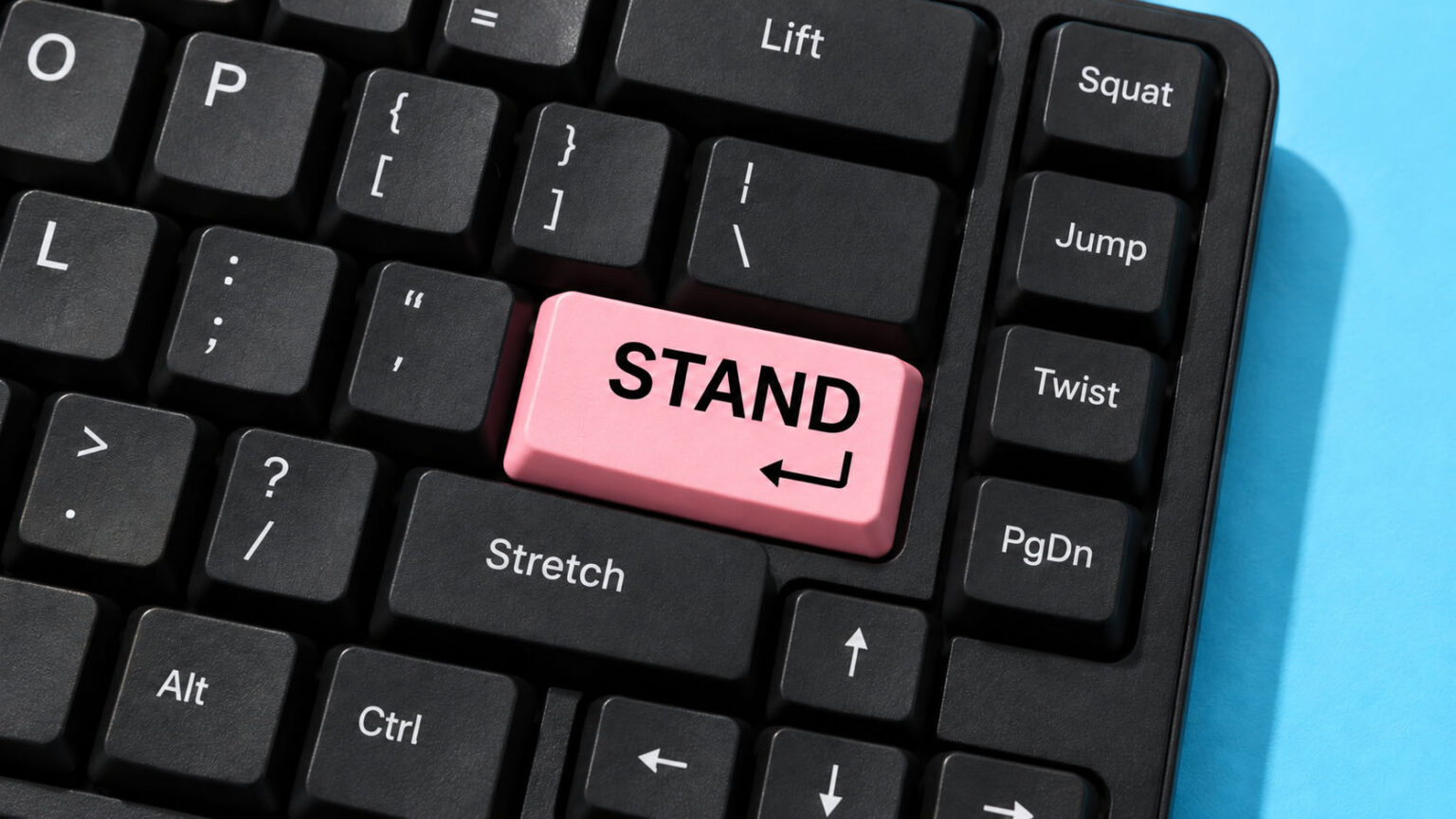
- Move every 30 minutes. Stand, stretch or walk for two to five minutes. Set a reminder if necessary.
- Walk and talk. Phone calls don’t always need a chair.
- Have walking meetings. Particularly useful for brainstorming or one-on-one discussions.
- Take a proper lunch break. Ten minutes outside can work wonders, particularly if you can enjoy a little nature.
- Make the stairs your friend. And occasionally visit a colleague instead of sending yet another email.
After work: Don’t let the couch win every evening
- Walk after dinner. Even 10 minutes is worthwhile.
- Try some strength exercises. Squats, wall push-ups, resistance bands or weights. Muscles matter!
- Dance while cooking. Bad dancing absolutely counts.
- Make television time active. Stretch, do a few squats or walk around during the ads. Keep a small hand weight nearby and use it!
- Find something you enjoy. Gardening, swimming, cycling, dancing, walking or playing with the kids. It all counts.
And remember, housework counts as movement too.
Don’t let the robot vacuum cleaner do ALL the work!
But how much exercise do we actually need?
Australia’s updated movement guidelines encourage adults to aim for:
- 30 minutes or more of moderate-to-vigorous activity on most days.
- Muscle-strengthening activities at least twice a week.
- Regular activities that improve balance, mobility and coordination.
- Plenty of light movement and frequent breaks from sitting.
Moderate activity means you’re breathing a little harder but can still talk.
Starting from scratch? Begin with five or ten minutes and build up.
You don’t have to be fit to start exercising. You exercise to become fitter!
Back to your GP
If breathlessness, persistent pain, fatigue or a chronic health condition is making exercise difficult, talk to your GP.
We can help you find a safe, realistic starting point. Eligible patients may also be able to access Medicare-supported appointments with an accredited exercise physiologist through a GP Chronic Condition Management Plan.
My challenge to you: Move more tomorrow than you did today!
Tomorrow, get up from your desk regularly. Take a short walk at lunchtime. Do something active after work.
Don’t wait until Monday, the perfect pair of shoes or a less busy week.
Your future health is built from the small things you do today.
And the best exercise?
The one you actually DO!
Now, if you’ve been sitting down reading this whole article, it’s time to get off your bum!
Useful Australian resources
- Exercise is Medicine Australia
- Australian Government Physical Activity Guidelines
- SafeWork NSW: Sedentary Work
- LifeVest Health Programs
Disclaimer
The information shared by LifeVest Pty Ltd is for general education and information only and is not medical advice. Please speak with your GP, specialist, or healthcare professional for advice about your own health and circumstances. We aim to keep our content accurate and up to date, however medical information and guidelines can change over time. External links are provided for convenience only and do not imply endorsement. LifeVest Pty Ltd is not responsible for any loss or harm resulting from reliance on information shared through our website, social media, or other communications.