

A GP’s guide to reading your emotional dashboard, spotting the warning lights and knowing where to get help
We are getting much better at talking about how we are feeling. But I still regularly see patients in my GP clinic who have been struggling for months before they finally say:
“I think I might need some help.”
My response is usually, “I’m very glad you came. You’re in the right place.”
You don’t need to be at breaking point to talk to your GP about stress, anxiety, low mood or simply not feeling like yourself.
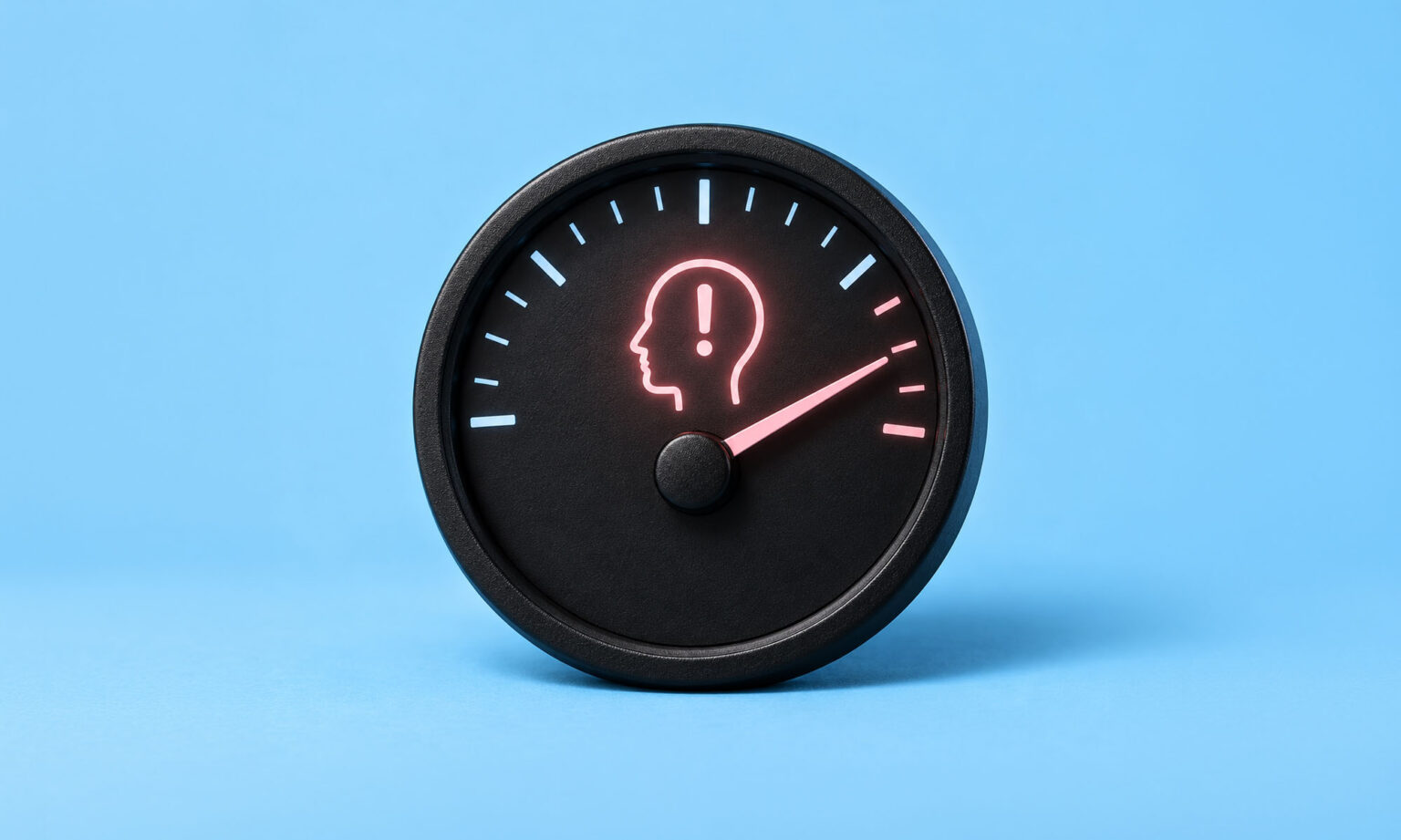
In fact, we doctors would much rather see you when the warning light first comes on than when the engine is smoking on the side of the freeway.
Our mental wellbeing deserves the same preventative approach we give the rest of our health: notice the changes, check in early and know where to get help.
Read your dashboard and notice the warning lights
Emotional wellbeing isn’t simply about whether you have depression or anxiety. It includes how well you are coping, sleeping, working, connecting with other people and managing the ordinary stresses of life.
And stress doesn’t always politely announce itself by saying, “G’day, I’m stress.”
It can turn up as poor sleep, headaches, muscle tension, an upset tummy, tiredness, irritability, poor concentration, withdrawing from people or simply feeling that your usual get-up-and-go has got up and gone.
These can be the early warning lights on your dashboard. They are worth paying attention to.
Try the K10
One useful way of checking how you are travelling is the Kessler Psychological Distress Scale, or K10.
It is a simple questionnaire commonly used by Australian GPs and other health professionals. It asks 10 questions about how you have been feeling over the previous four weeks, including nervousness, restlessness, hopelessness, sadness and whether everything feels like an effort.
You end up with a score out of 50.
As a rough guide, a lower score suggests less psychological distress, while a higher score suggests you may need some extra support. Importantly, the K10 is not a diagnosis, and it is certainly not an exam you can fail.
Think of it as another reading on your health dashboard. If the result concerns you, or you already know things aren’t quite right, take that information to your GP.
Try the Beyond Blue K10:
https://www.beyondblue.org.au/mental-health/tools-and-quizzes/k10
Your workplace may already be paying for help
If your workplace has an Employee Assistance Program, or EAP, use it.
EAPs can provide confidential counselling and support for employees. Depending on your workplace program, this might include help with stress, relationships, grief, anxiety, workplace difficulties or family pressures. Some programs also extend support to family members.
And you do not need to wait until you are in crisis.
I reckon we need to rebrand the EAP as:
“That useful service your workplace is already paying for, so you may as well use it.”
Check your workplace intranet or ask HR how to access yours.
Your GP is another good place to start
Your GP can look at the whole picture.
Tiredness, poor sleep, low mood, anxiety or difficulty concentrating can sometimes have other causes too. We can talk about what is happening in your life, review your physical health and medications, and decide whether anything else needs investigating.
Sometimes that means blood tests. And while you’re in there chatting with your GP, it might be a good opportunity to get that general health check you’ve been putting off.
If appropriate, your GP can also prepare a Mental Health Treatment Plan and refer you for psychological treatment.
Under Medicare’s Better Access program, eligible patients can receive Medicare benefits for up to 10 individual and 10 group mental health treatment services per calendar year. There may still be an out-of-pocket cost depending on the provider.
Read more about Better Access:
https://www.health.gov.au/our-work/better-access-initiative
And psychologists aren’t just there to listen while you lie on a couch and discuss your childhood.
I often describe a psychologist as a coach for your brain. They can help you understand what is happening, recognise patterns that aren’t helping and develop practical strategies and tools.
The simple stuff really does matter
Small things can make a big difference, and prevention matters here too.
Some of the least glamorous things remain remarkably important:
Move your body. Get enough sleep. Eat reasonably well. Watch the alcohol. Spend time outside. Stay connected with people. Do things you enjoy.
Exercise does not have to mean Lycra, 50 kettlebell swings and a gym membership.
Walking the dog, gardening, swimming, dancing, kicking a footy or going for a walk with a friend all count.
Sleep matters too. So does connection.
If you have gradually stopped seeing friends, stopped doing things you normally enjoy or started withdrawing from everyone, take notice. That can be another warning light on your body’s dashboard.
Sometimes prevention isn’t about adding yet another thing to your already enormous to-do list. It might simply mean calling a friend, going to bed earlier or taking the dog for a walk.
You don’t have to fix your mate
If somebody you care about doesn’t seem themselves, you don’t need a psychology degree and you don’t need the perfect words.
Sometimes the best thing you can do is simply step up and be a good mate.
R U OK? keeps the approach beautifully simple:
Ask. Listen. Encourage action. Check in.
Sometimes the most helpful things we can say are also the simplest:
“I’m here to listen.”
“Take your time. I’m not in a rush.”
“What is the best way I can support you right now?”
You don’t necessarily need to solve the problem. No stethoscope required.
Sometimes your job is simply to listen, stay connected and help someone take the next step.
Don’t wait for the warning light to flash red
If you’re becoming more grumpy, sleeping badly, worrying constantly, drinking more, avoiding people, losing interest in things you normally enjoy or simply thinking:
“I’m not quite myself.”
Pay attention.
You don’t have to wait until things become really difficult before asking for help.
Do the K10.
Use your EAP.
Go for the walk.
Ring your friend.
Prioritise your sleep.
And make an appointment with your GP.
Sometimes the most important step is simply recognising that something has changed and doing something about it.
Read your emotional dashboard. Notice your warning lights. Get some help before they start flashing red.
Good Australian resources
Beyond Blue
Information about anxiety, depression, stress and wellbeing, including the online K10 check-in.
https://www.beyondblue.org.au/
Black Dog Institute
Evidence-based Australian information and digital tools for mental wellbeing.
https://www.blackdoginstitute.org.au/
R U OK?
Practical advice about recognising when somebody may be struggling and how to start the conversation.
https://www.ruok.org.au/
QLife
Free, confidential, Australia-wide peer support and referral for LGBTQIA+ people, their friends and families. Phone 1800 184 527 or use webchat.
https://qlife.org.au/
Movember Australia
Practical men’s health and wellbeing resources, including information about helping blokes support their mates.
https://au.movember.com/
Jean Hailes for Women’s Health
Trusted Australian information about women’s emotional and physical health across different stages of life.
https://www.jeanhailes.org.au/
Lifeline
For immediate crisis support, call 13 11 14. Lifeline also offers text and online chat support. If you or someone else is in immediate danger, call 000.
https://www.lifeline.org.au/
A final word
Looking after your emotional wellbeing isn’t something to save for when life has completely unravelled.
A chat with your GP, doing the K10, using a few EAP sessions, getting some decent sleep, moving your body or talking to someone you trust may be a small step that makes a very big difference.
Prevention isn’t only about cholesterol, blood pressure and cancer screening. Looking after what’s happening inside your head counts too.
Find out more about LifeVest preventative health programs at https://lifevest.com.au/.
Disclaimer
The information shared by LifeVest Pty Ltd is for general education and information only and is not medical advice. Please speak with your GP, specialist, or healthcare professional for advice about your own health and circumstances. We aim to keep our content accurate and up to date, however medical information and guidelines can change over time. External links are provided for convenience only and do not imply endorsement. LifeVest Pty Ltd is not responsible for any loss or harm resulting from reliance on information shared through our website, social media, or other communications.